Cartoon Films
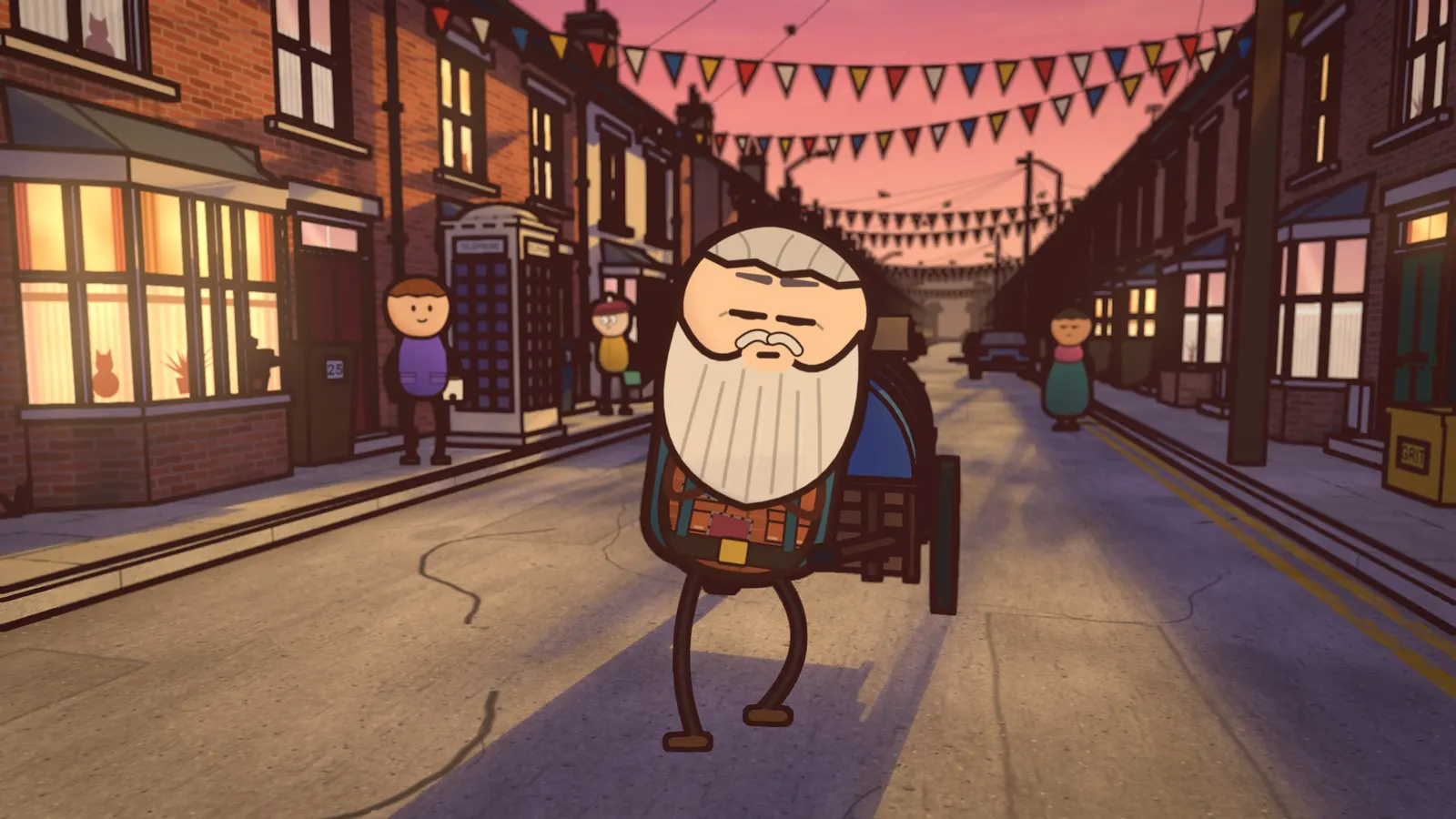
A skill and a working Blender pipeline for animated true-story films: flat 2D cartoon characters acting inside painted 3D sets. Makes vertical shorts and 6-10 minute videos, with narration, sound, in-scene captions and fact checks.
You name a true story. The skill guides your agent through research, script, narration, staging, rendering, sound, captions and checks, and you get a finished film. Every image on this page was rendered with the pack.
One-time payment. Single-user license.
Want every pack? All 4 packs for $99 (save $67).
Watch the demo
What it makes
- Vertical shorts: 55-75 s, 1440 x 2560, 30 fps, mixed to -14 LUFS. Built for the formats that YouTube Shorts, Instagram Reels and TikTok favour.
- Long videos: 6-10 minutes, 1920 x 1080, from the same sets, cast and tools.
- Captions in the scene: Optional. Words are placed in the 3D scene through the shot's own camera, not pasted on top. You always get a clean master too.
- Channel art: Banner, profile picture and watermark, drawn with the same engine.
- Autopilot (optional): Scheduled films that post only after every check has passed, and at most once.
Gallery
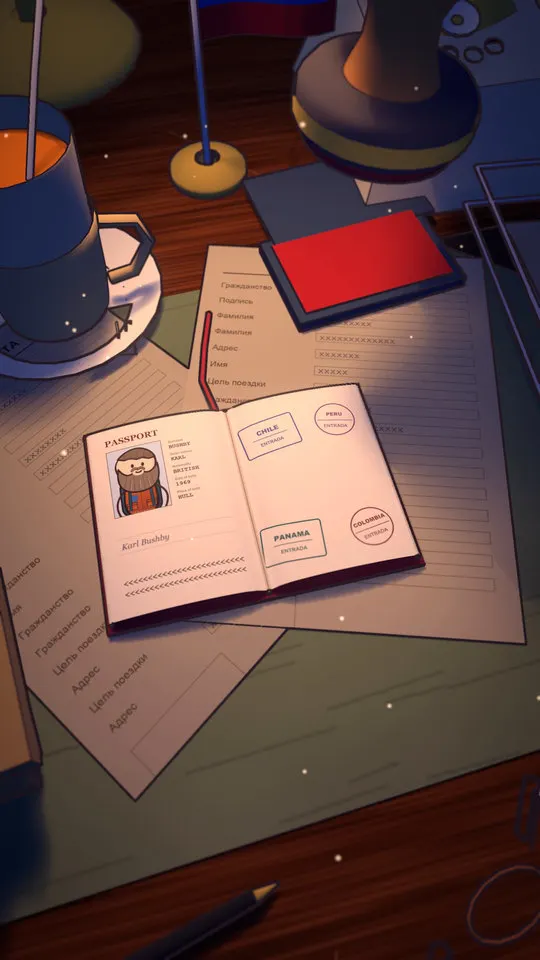
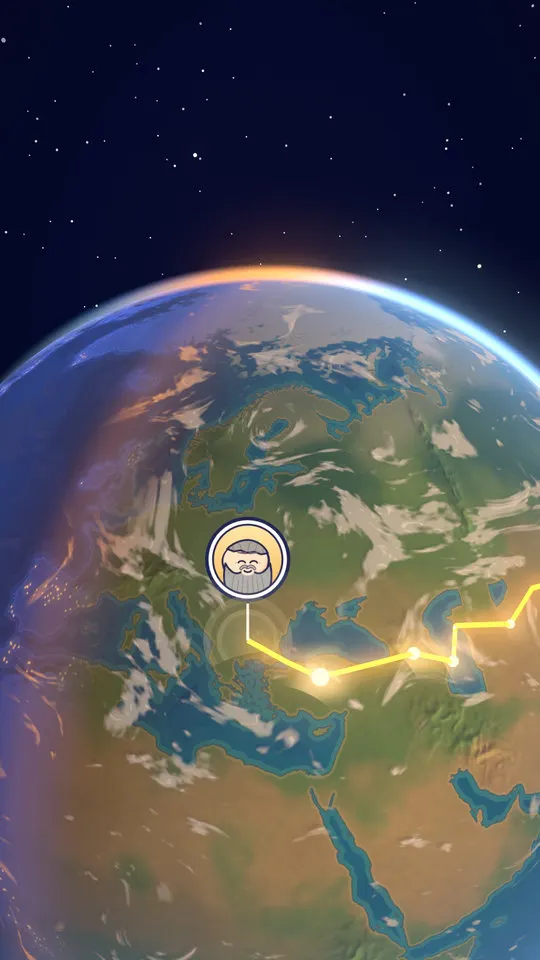
Frames from the example film, The Long Walk Home, a 75-second true story.
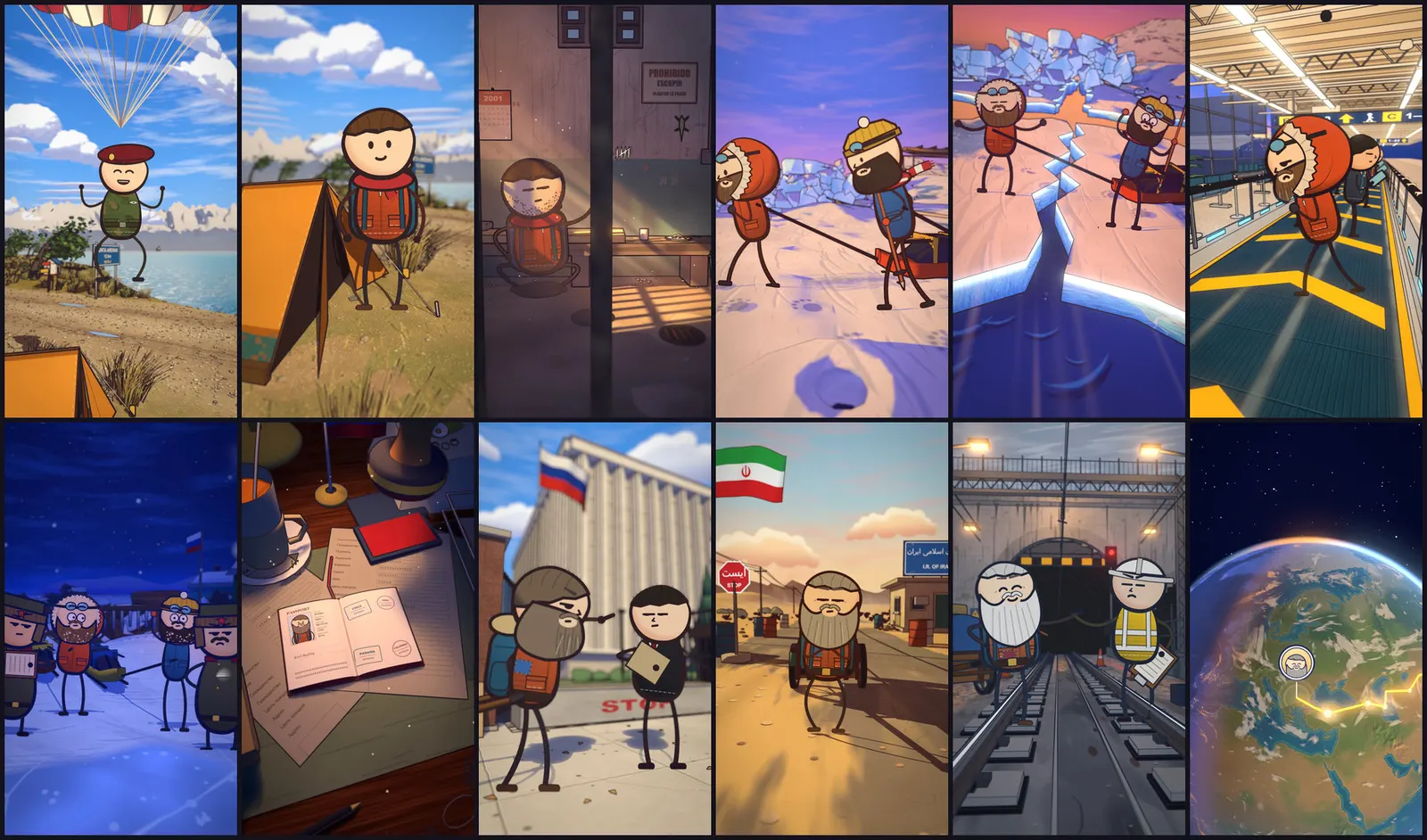
Scenes
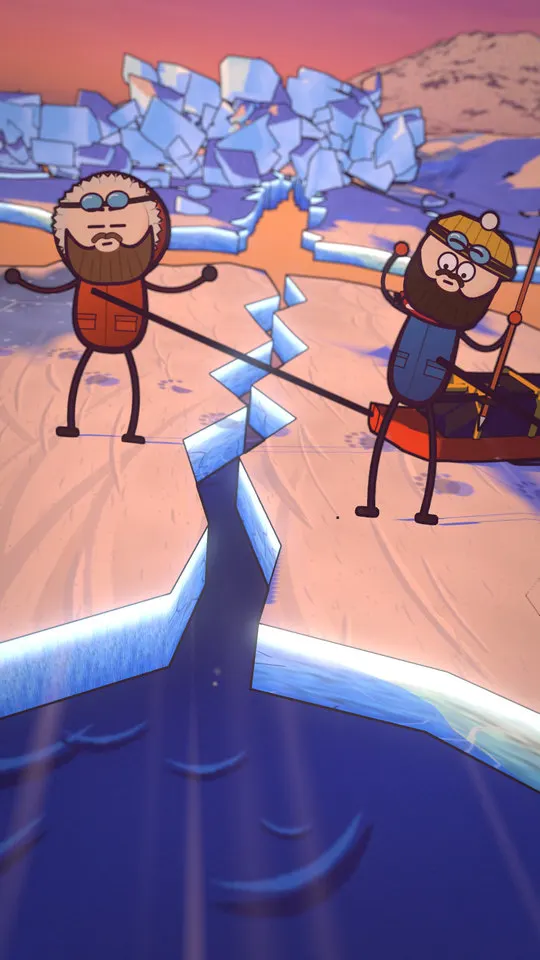
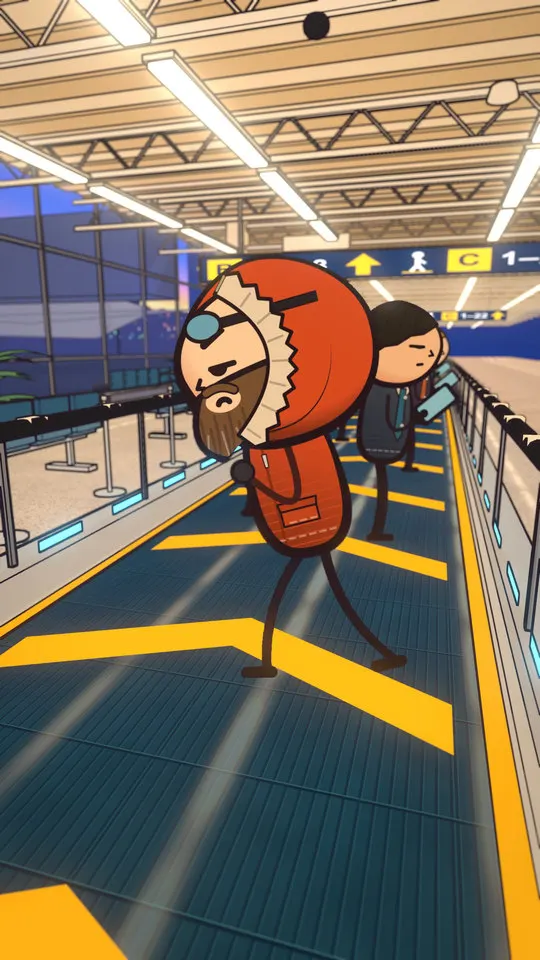
Motion
The cart is a real 3D object. Each frame it is attached to the walker's hip and its wheels roll along the line of his feet, so it never slides through his body.
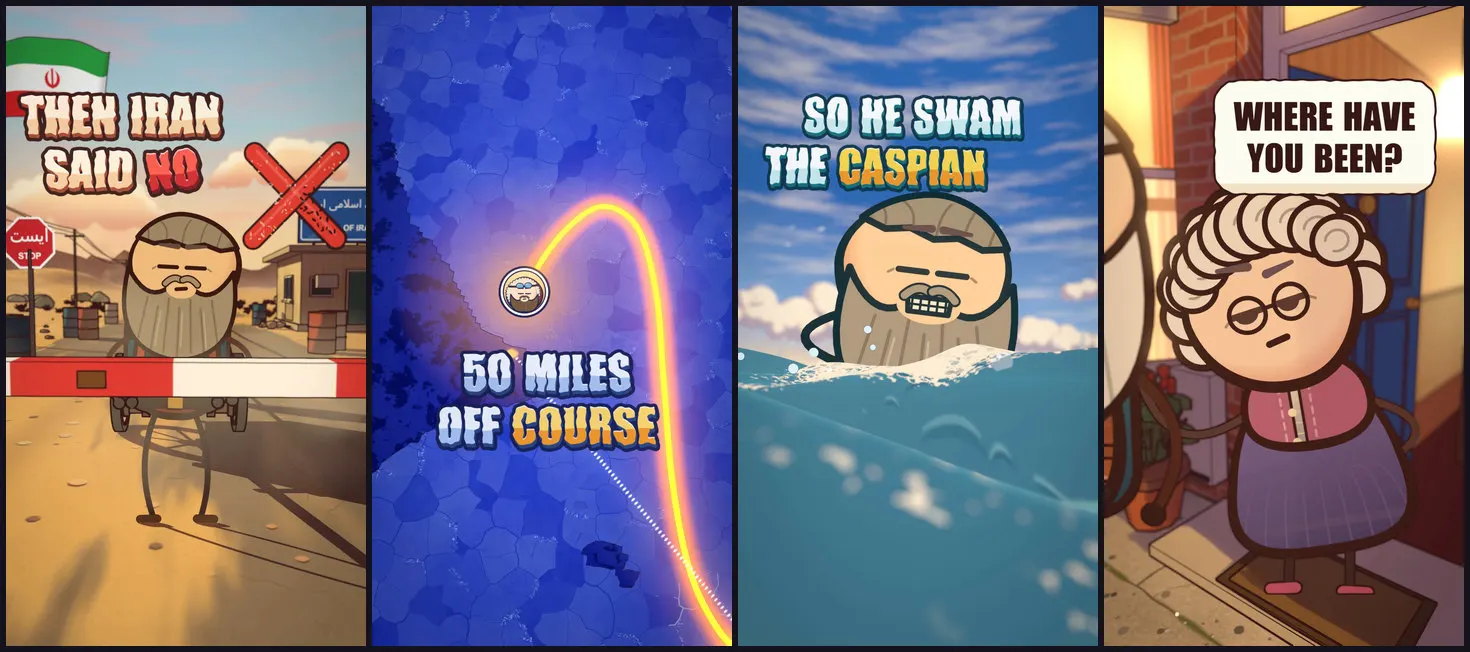
Captions placed in the scene
Chunky block letters in the film's own ink, with the spoken word lit up. Captions stay inside the frame, out of the phone's UI zones and off faces, and follow the camera on every frame.
The cast
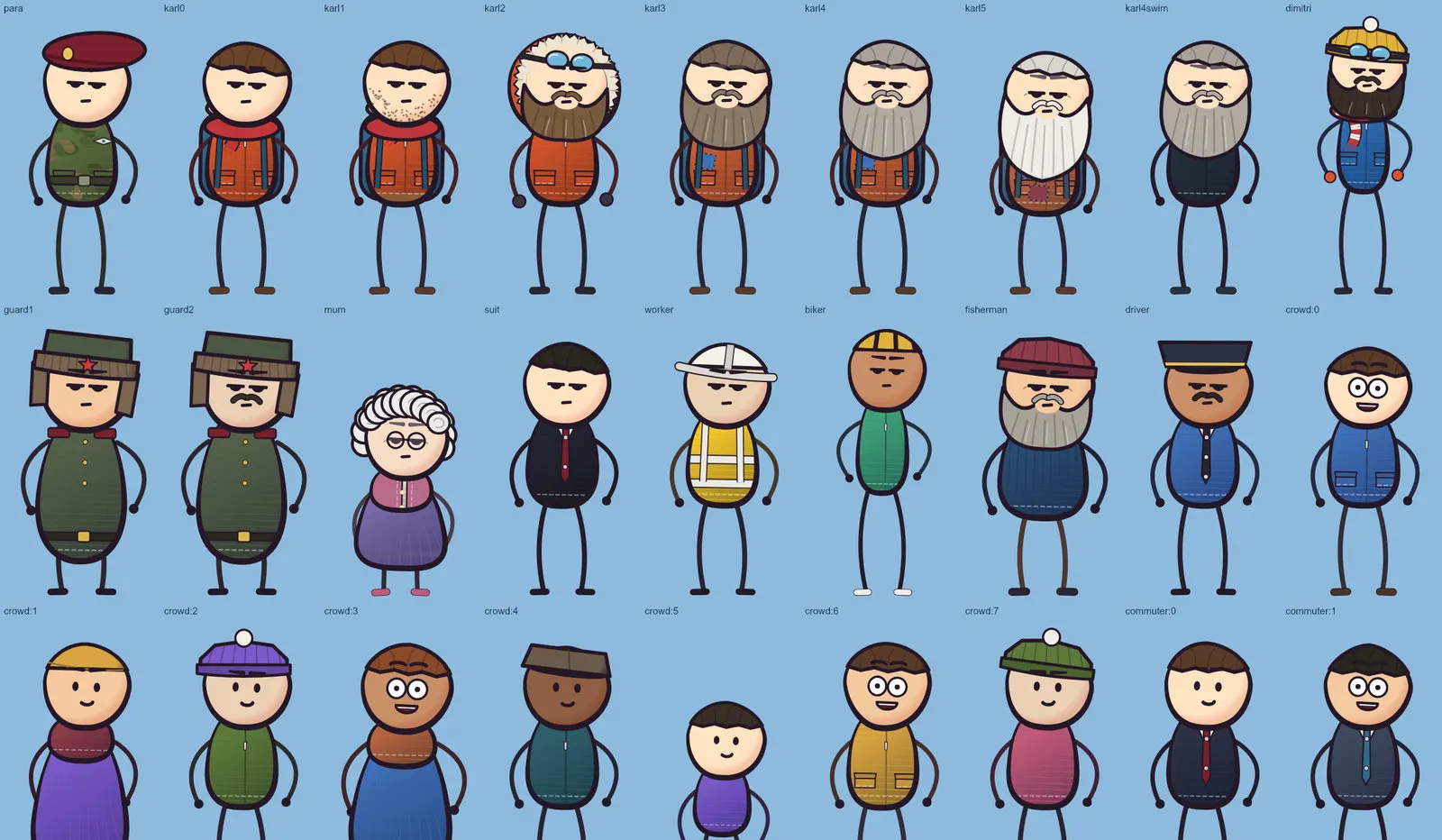
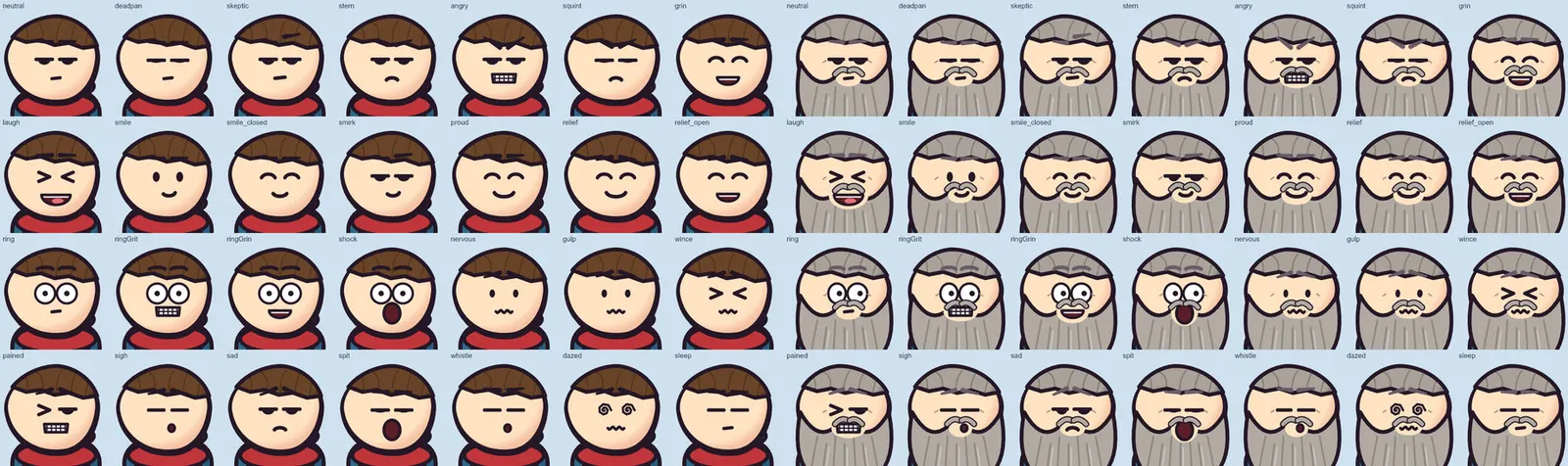
36 outfits and crowd types, 28 expressions, 64 poses, 7 gaits, 24 hand props and 32 effects, drawn fresh on every frame. Any face works with any character.
Channel art
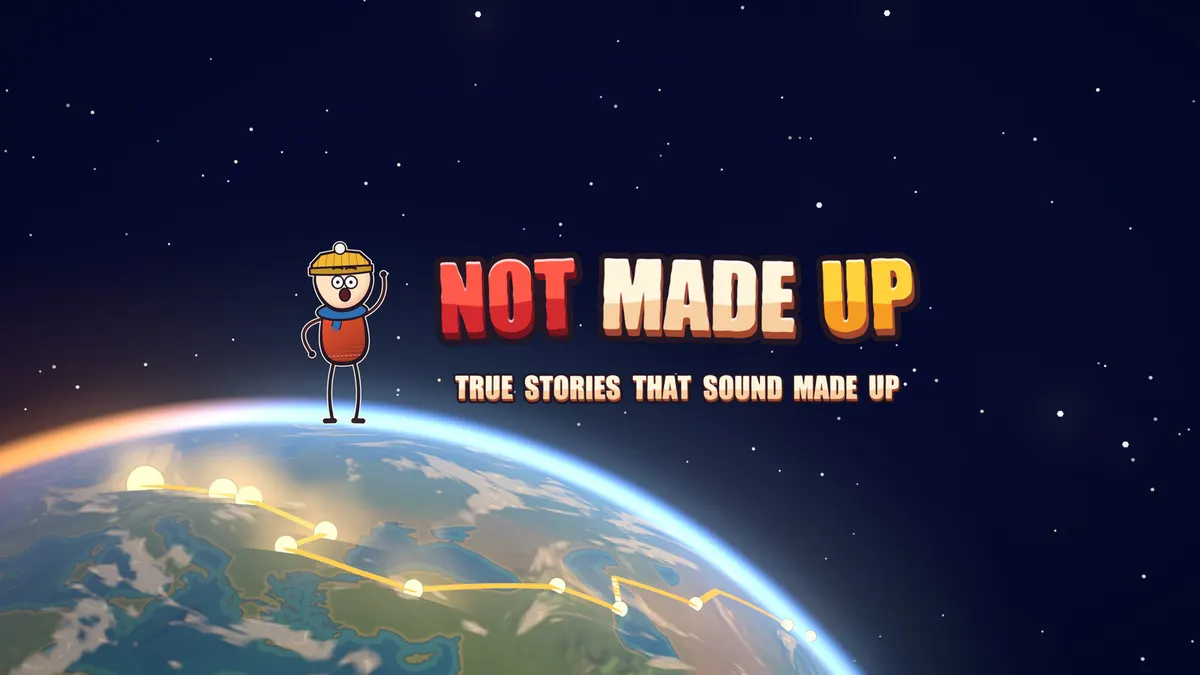
Banner and profile picture for a channel, made with the pack's own brand tools.

How a film gets made
- Story and facts: every spoken claim and on-screen number goes in a claim table with two independent sources.
- Script: hook, setting, escalation, snap, an everyday analogy, consequence and callback. About 200 words for 70 seconds.
- Voice: narration with word-level timings (optional ElevenLabs).
- Timeline: one row per shot (start, set, colour preset, line).
- Sets: 18 ready Blender sets, restyled per film, with toon shading and ink lines.
- Acting: one JSON file per shot for positions, poses, faces, walks, props and effects.
- Preview: every 30th frame at 720p, checked on contact sheets.
- Final render: four Blender processes in parallel.
- Sound: synthesized effects and score, mixed under the voice to -14 LUFS.
- Captions: optional, placed through each shot's camera.
- Checks: frame-by-frame QA, walk-jump checks, caption checks, a picture audit, a truth audit and a final gate on the exact file.
- Deliver or post: a clean master and a captioned copy, with upload copy.
The example film in numbers
| Length | 74.6 s, 34 shots, 2,238 frames |
|---|---|
| Picture | 1440 x 2560, 30 fps, H.264 |
| Sound | -14.0 LUFS, -1.2 dBFS peak |
| Full render | About 1 h 45 m on a 16 GB M1 Pro |
What is inside
SKILL.md- The skill your agent follows: rules, story formula and look valuesreferences/BLENDER_PLAYBOOK.md- The full Blender route step by step, with budgets and a definition of doneengine/blender/- Stage, lights, ink compositor, renderer, parallel queues, assembler, captions, QA and channel-art tools, plus 18 setsengine/cast/- The 2D cast engine: outfits, poses, faces, gaits, props, effects, frame export and contact sheetsengine/automation/- Gate check, single-post publisher and unattended-run runbookengine/shorts/long-walk/- The example film's sourced script, notes, narration and word timingsengine/assets/- 207 generated textures and CC0 3D modelstemplates/- A lighter three.js + Remotion route for quick previews
Requirements
- macOS on Apple Silicon (the only tested setup)
- Blender 5.2
- Node 20 or newer, Python 3.9 or newer, ffmpeg
- Claude Code
- About 200 MB of disk for the pack, plus room for renders
- Optional: ElevenLabs for narration (about 3,000 credits per 75 s short), Zernio for posting, vidIQ for title research. These are separate services with their own pricing.
How it was tested
Tested on 8 November 2026 (v1.0): one complete film (the 74.6 s example above) was made end to end on macOS with Apple Silicon and Blender 5.2. The zip was installed into an empty skills folder and its files and links checked; the Node cast exporter was also run from a clean install on Linux (shot 1, 100 frames). Not tested: Blender rendering on Windows or Linux, and use inside Codex.
Install
Unzip the download into your skills folder (unzip cartoon-films.zip -d ~/.claude/skills/), copy the engine folder to a project folder, run npm install and the Python setup from the included README, then render one test frame. Then ask your agent: "Use the cartoon films skill to make a short about ...".
License in short
- You own the films, images and channel art you make with the pack, and you can publish and monetize them.
- One purchase licenses one named person, or one company for one internal team of up to 5 people.
- Do not copy, share, resell or redistribute the pack, and do not use it to train or evaluate AI models.
- The pack's own sample films, characters and sets are not yours to republish.
- Some included files are under MIT and CC0 terms; those notices ship in the zip.
Full text: Licenses (also inside the zip).
FAQ
Do I need to know Blender?
No. The skill drives Blender from scripts. You need Blender 5.2 installed, and it helps to be able to open a project folder and run a command.
Can I sell the films I make?
Yes. The films you make are yours to publish and monetize. The pack itself cannot be shared or resold.
Does it work on Windows or Linux?
Not tested. Only macOS on Apple Silicon has been tested end to end. The Node cast exporter has run on Linux; Blender rendering there has not been tested.
Does it need paid services?
No paid service is required to render. Narration through ElevenLabs and posting through Zernio are optional and billed by those services.
Is it tested?
Every pack is installed from the zip on a clean setup and checked before release. The exact tests run, and any not yet run, are listed above.
What do I get?
A zip of skill folders that we selected, checked, tested and improved. License notices for included files ship in the zip.